Quick answer: Yes, there is a real but manageable risk. London Fire Brigade (LFB) says there is on average a fire from a lithium-ion battery in an e-bike or e-scooter every two days in London, and that most happen while the battery is charging. The risk is highest with damaged batteries, incompatible chargers and poorly fitted conversion kits. Buy a complete bike from a known seller, use the maker’s charger, charge while you are awake and at home, keep escape routes clear, and fit a smoke alarm where you charge.
Why the batteries can catch fire
E-bikes use large lithium-ion batteries. If a battery is damaged, faulty or charged incorrectly, it can overheat and enter what is called thermal runaway. The Department for Business and Trade’s statutory guidelines on e-bike batteries say lithium-ion batteries in e-bikes “can pose a serious fire risk” through this process.
LFB’s technical guidance note GN103 says these batteries can release their energy as a very hot fire or, in rare cases, an explosion, which can be hard to control. It also warns that burning lithium batteries give off toxic gases, including carbon monoxide and hydrogen cyanide, which can look like steam.
How common are the fires?
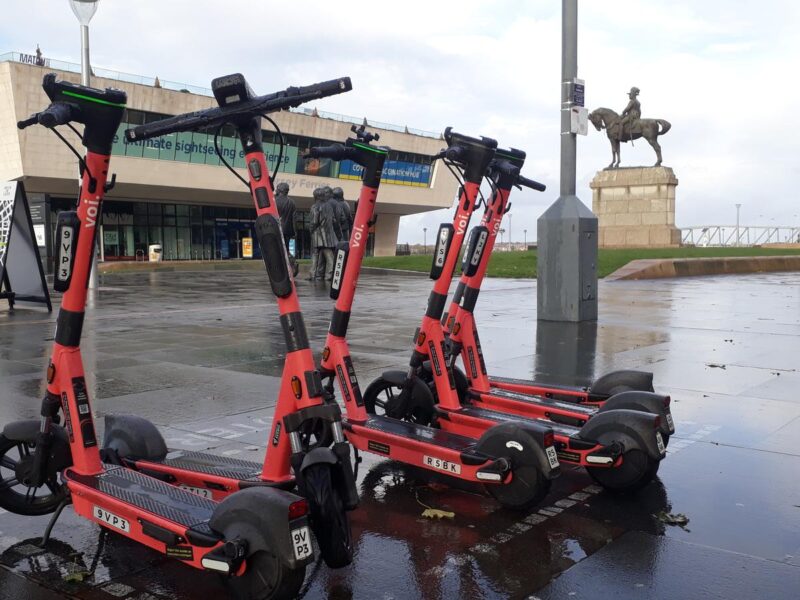
- LFB’s e-bikes and e-scooters page says there is on average one such fire every two days in London, and many happen in homes while batteries are charging.
- The government’s statutory guidelines say at least 10 people died in fires started by e-bikes or e-scooters powered by lithium-ion batteries in the UK in 2023, with almost 200 fires recorded.
These are the most recent figures we found on official pages on 19 October 2026.
When the risk is highest
LFB’s charging advice says most fires happen during charging, because charging puts stress on the battery. If the charger is incompatible or the battery is damaged, it can overheat and fail.
The Office for Product Safety and Standards (OPSS) highlights these risk factors in its battery safety guidance:
- Incompatible chargers and batteries. OPSS says that if you buy battery packs and chargers separately, you cannot be sure they are compatible and safe together, and incompatible pairs “can cause an extremely high fire risk”.
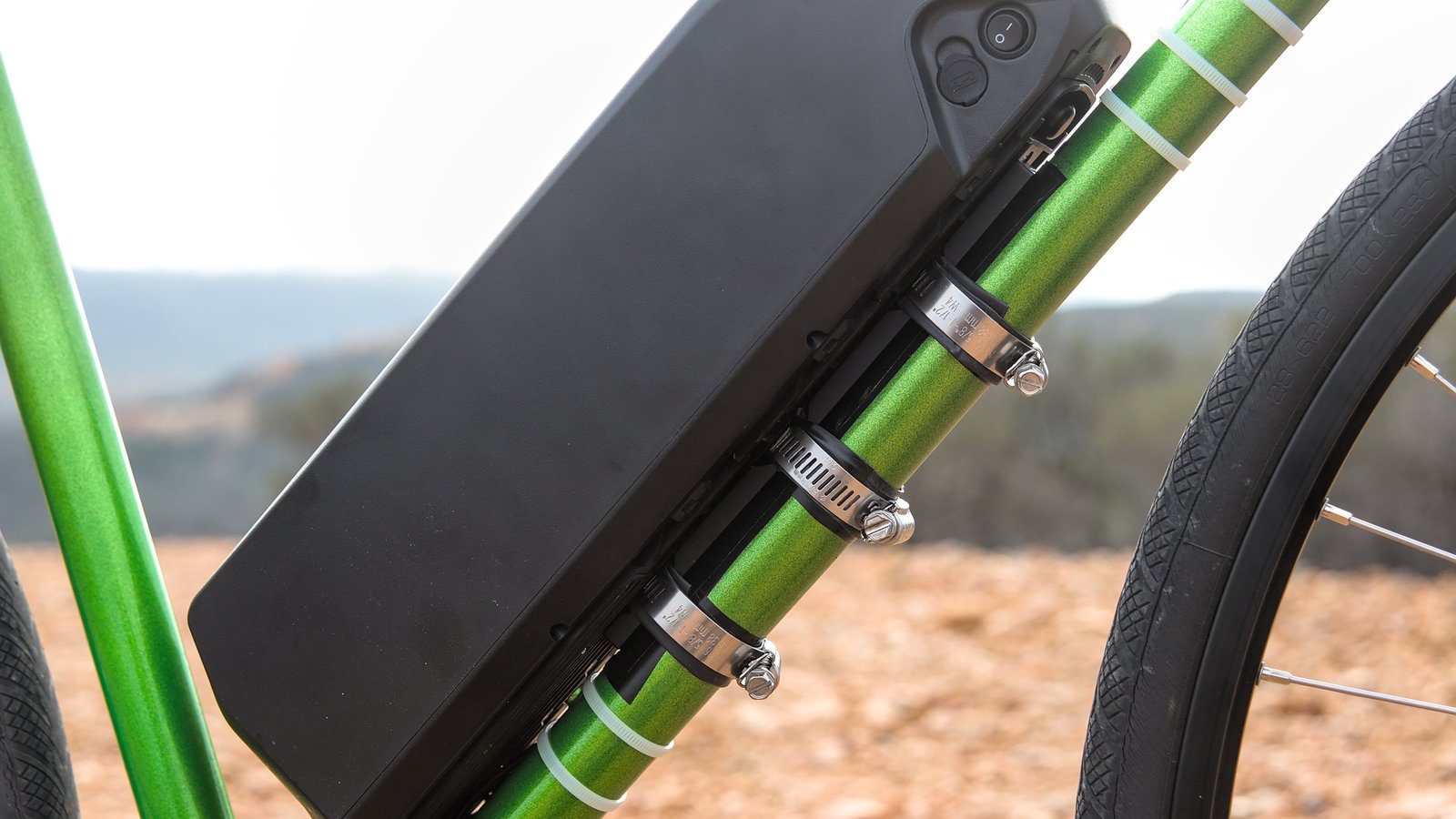
- Conversion kits. OPSS says buying a complete e-cycle is generally safer than a kit fitted to a bike not designed for it. DIY installations have sometimes damaged the kit and made battery failure more likely.
- Second-hand, refurbished or converted bikes. It can be hard to tell whether they are genuine and meet UK standards.
Buying safely
OPSS’s Buy Safe, Be Safe campaign advises you to:
- buy from trusted sellers and check reviews first
- check the seller explains how the product complies with UK safety law
- look for the UKCA or CE mark
- register your product with the manufacturer so you hear about recalls
Standards. The statutory guidelines point businesses to two voluntary standards: BS EN 15194 for electrically power assisted cycles, and BS EN 50604-1 for lithium batteries in light electric vehicles. You do not need to read the standards, but a reputable seller should be able to tell you which ones a bike and its battery meet.
The law on batteries. Under the statutory guidelines, an e-bike battery must have a battery management system, or equivalent safety features, that can prevent thermal runaway during normal use, foreseeable misuse and charging. That includes protection against charging with an incompatible charger. These guidelines are aimed at producers and sellers, and OPSS and Trading Standards enforce them.
Charging safely
LFB and OPSS give consistent advice:
- Use the right charger. Use the charger supplied with the battery or one the manufacturer recommends. Buy replacements only from reputable sellers.
- Charge while you are awake and at home. LFB says never leave a battery charging unattended or while you are asleep.
- Unplug when it is full.
- Let it cool first. Allow the battery to cool after a ride before charging.
- Pick the spot. Charge on a hard, flat surface where heat can escape, away from exits and main routes through your home. Do not cover the charger or battery.
- Keep escape routes clear. Never store or charge an e-bike in a hallway or stairwell you would need in a fire.
- Fit a smoke alarm where you charge, and have an escape plan.
- Protect from extremes. Keep batteries away from extreme heat or cold.
If you live in a block of flats, check your building’s rules. LFB has separate guidance for responsible persons such as landlords and managing agents.
Warning signs
LFB’s warning signs page says to stop using a battery immediately if it:
- becomes extremely hot to the touch
- looks swollen, bulging or misshapen
- has lumps, leaks or damage to the casing
- makes hissing or cracking sounds
- gives off a strong chemical smell
Turn it off, unplug it, and contact the maker or retailer. LFB also advises reporting a faulty battery to your local Trading Standards office. Do not use a battery that has been dropped or damaged.
If a battery catches fire
LFB’s advice is simple: get out immediately, raise the alarm, call 999, and do not try to tackle the fire yourself.
Disposing of old batteries
LFB says lithium-ion batteries should not go in your normal rubbish or recycling bins, because a damaged battery can cause a fire. Ask your council or the bike shop where to take it.
Frequently asked questions
Is it safe to charge an e-bike overnight?
LFB advises against it. It says never leave a battery charging unattended or while you are asleep.
Can I use a cheaper replacement charger?
OPSS says to use only the manufacturer’s recommended charger, because not all batteries and chargers are safe together.
Are conversion kits safe?
OPSS says a complete e-bike is generally safer. If you use a kit, it advises buying from a recognised brand and having it fitted by a competent, insured professional.
Does the same advice apply to e-scooters?
Yes. LFB and OPSS give the same charging advice for e-scooters. Note that riding a private e-scooter in public is illegal; see our e-scooter law guide.
Sources
- E-bikes and e-scooters: fire safety advice, How to charge safely and Spot the warning signs, London Fire Brigade
- Fire Safety Guidance Note GN103, London Fire Brigade
- Statutory guidelines on lithium-ion battery safety for e-bikes, Department for Business and Trade, GOV.UK
- Battery safety for e-cycle users, OPSS, GOV.UK
- Buy Safe, Be Safe: avoid e-bike and e-scooter fires, OPSS, GOV.UK
Last checked: 19 October 2026
Image credit: troy sankey via Wikimedia Commons, CC BY-SA 2.0, cropped.