Quick answer: On 19 October 2026, popular home chargers were advertised from about £949 to £1,129 including standard installation. The headline price assumes a straightforward job. Longer cable runs, extra electrical work or a difficult location can add to it. Renters, flat owners and people with on-street parking may get a government grant of up to £500.
We have not installed or tested these chargers ourselves. The prices below are what each company advertised on its own website on 19 October 2026. They can change at any time, so always get a written quote for your home.
What chargers cost
| Charger | Advertised price | Includes |
|---|---|---|
| Octopus Charge untethered | £1,029 | Standard installation |
| Octopus Charge tethered (5m cable) | £1,129 | Standard installation |
| Pod Point Solo 3S | From £999 | Standard installation (Pod Point says it is always included) |
| Ohme ePod | From £949 | Standard installation |
| Ohme Home Pro | From £999 | Standard installation |
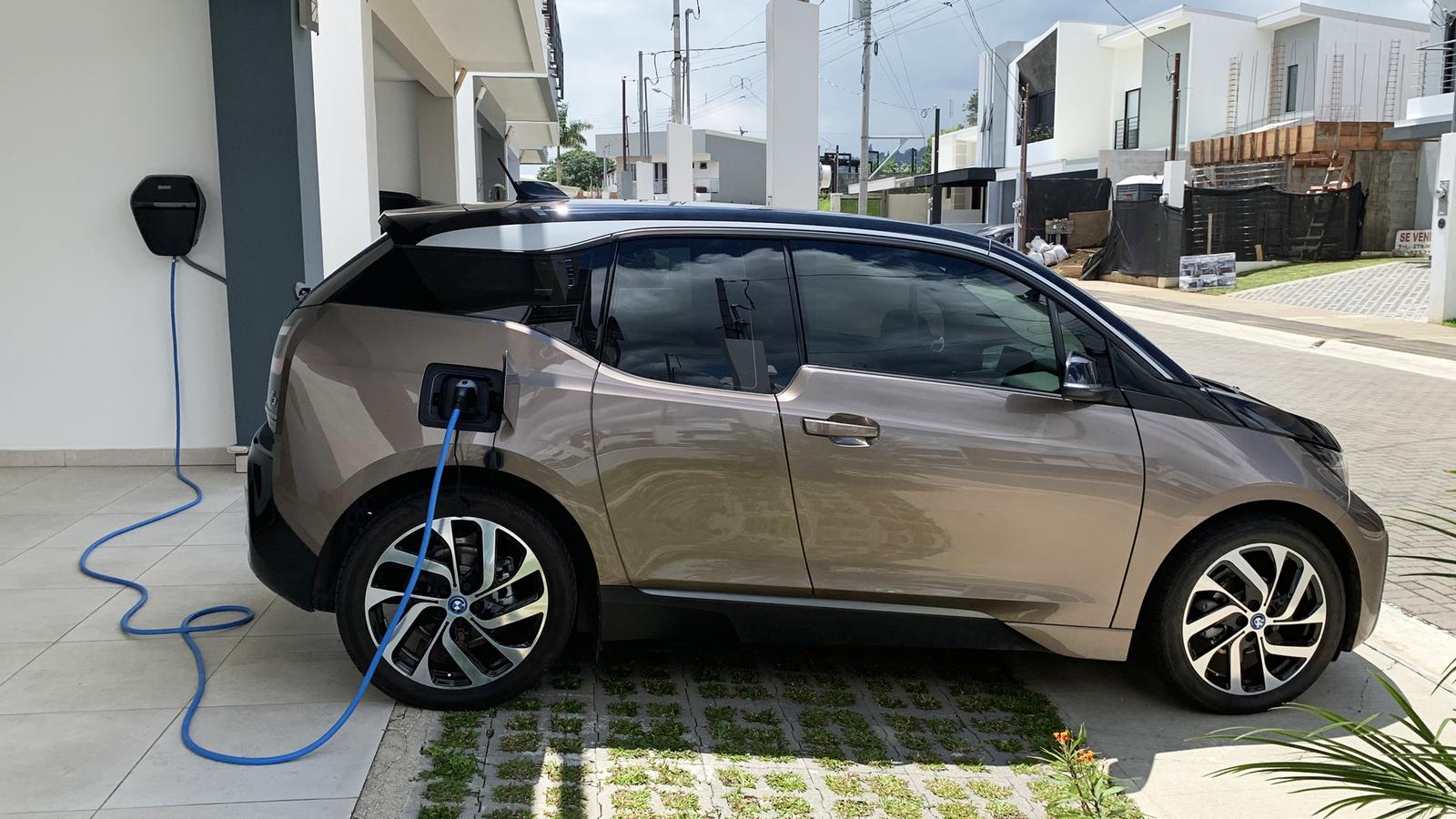
“Untethered” means the charger has a socket and you use your own cable. “Tethered” means the cable is permanently attached. A tethered charger is more convenient day to day; an untethered one looks tidier and lets you choose the cable length.
These are upfront prices. Some companies also advertise monthly payment plans or bundles with tariffs. We have not included those here.
What “standard installation” usually means
Each company defines standard installation differently, so read its terms. Two published examples:
- Octopus says standard installation covers up to 10 metres of cable between your fuse board and the charger. It lists Standard Plus (up to 20m) at £125 and Enhanced (up to 30m) at £250, with longer runs quoted individually.
- EDF, which sells the Pod Point Solo 3S, says its standard installation includes up to 15 metres of cable, up to 3 metres of trunking and an additional consumer unit if needed. EDF says 90% of its customers qualify.
So the same house could fall inside one company’s standard installation and outside another’s. Compare like for like.
What can add to the cost
The companies above all base their price on a straightforward installation and quote extra work separately. Things that commonly push a job outside the standard package include:
- Distance. The further the charger is from your fuse board, the more cable and labour is needed.
- Routing. Drilling through thick walls, running cable through lofts, under floors or across a garage, or digging a trench to a detached garage.
- Electrical upgrades. An older fuse board, or a home supply that needs work, may need upgrading before a charger can go in.
- Ground works or posts. If the charger cannot go on a wall, it may need a post or pedestal.
We have not found an official, up-to-date source for the typical cost of this extra work, so we are not quoting average figures. Ask the installer to list any extra charges in writing before you agree.
Getting a quote
Most companies ask for photos of your fuse board, meter and where you want the charger, and some do a survey. To compare quotes properly, ask each one:
- Is my home within your standard installation? If not, what is the extra cost and why?
- How long a cable run have you allowed for?
- Is any electrical upgrade needed, and is it included?
- Who notifies the electricity network operator, if needed?
- What is the warranty on the charger and on the installation?
- How long until installation? Octopus says it takes around four weeks on average.
Grants that can cut the cost
The government’s home charging grants run until 31 March 2027 and pay 75% of the cost of buying and installing a charger socket, up to £500. They are only for certain households:
- Renters and flat owners with private off-street parking. See our renters and flat owners grant guide.
- Households with on-street parking that install a permanent cross-pavement solution with council consent. See our cross-pavement grant guide.
There is no OZEV grant for homeowners who live in a house with a driveway. If you are eligible, apply before installation: the grant cannot be backdated.
Smart chargers are the rule
New home chargers sold in Great Britain must meet the Electric Vehicles (Smart Charge Points) Regulations 2021. That means they must be able to schedule charging, send and receive information, and come preset to charge outside peak hours by default, which you can change. Our smart charger rules explainer covers the detail.
Smart charging matters for cost because it lets you use a cheaper overnight rate. For example, Octopus advertised Intelligent Octopus Go smart charging for eligible cars from 7.6p per kWh on 19 October 2026. Compare that with Zapmap’s average public charging prices of 54p per kWh on standard chargers and 79p per kWh on rapid and ultra-rapid chargers in September 2026.
Is a home charger worth it?
It depends on how much you drive, what you pay for electricity, and whether you could rely on a standard three-pin socket for slower charging. A dedicated charger is faster and designed for regular high loads, and smart features unlock cheaper overnight tariffs. Do the sums with your own mileage and tariff before you buy. Our guides to whether you need a home charger, the cost of charging at home and EV tariffs compared can help. No driveway? See how to charge an EV without a driveway.
Frequently asked questions
Is VAT included in these prices?
The companies above advertise prices to households, which normally include VAT. Check the quote to be sure.
Can I install a charger myself?
A charger is connected to your home’s electrics and should be fitted by a qualified installer. The government grants also require an OZEV-authorised installer.
Do I need permission to install a charger?
If you rent or own a flat, you will need permission from your landlord, freeholder or managing agent. Listed buildings may need consent from your council. If you own a house, your installer can tell you whether anything else applies.
Sources
- Octopus Charge, Octopus Energy (prices as advertised)
- Home charging, Octopus (installation tiers as published)
- Pod Point, Pod Point (prices as advertised)
- Ohme, Ohme (prices as advertised)
- EV charging, EDF (installation terms as published)
- Intelligent Octopus Go, Octopus Energy
- Zapmap Price Index, Zapmap, updated 7 October 2026
- Electric vehicle chargepoint grants, OZEV, GOV.UK
- Regulations: electric vehicle smart charge points, OPSS, GOV.UK
Last checked: 19 October 2026
Image credit: Mariordo (Mario Roberto Durán Ortiz) via Wikimedia Commons, CC BY-SA 4.0, cropped.