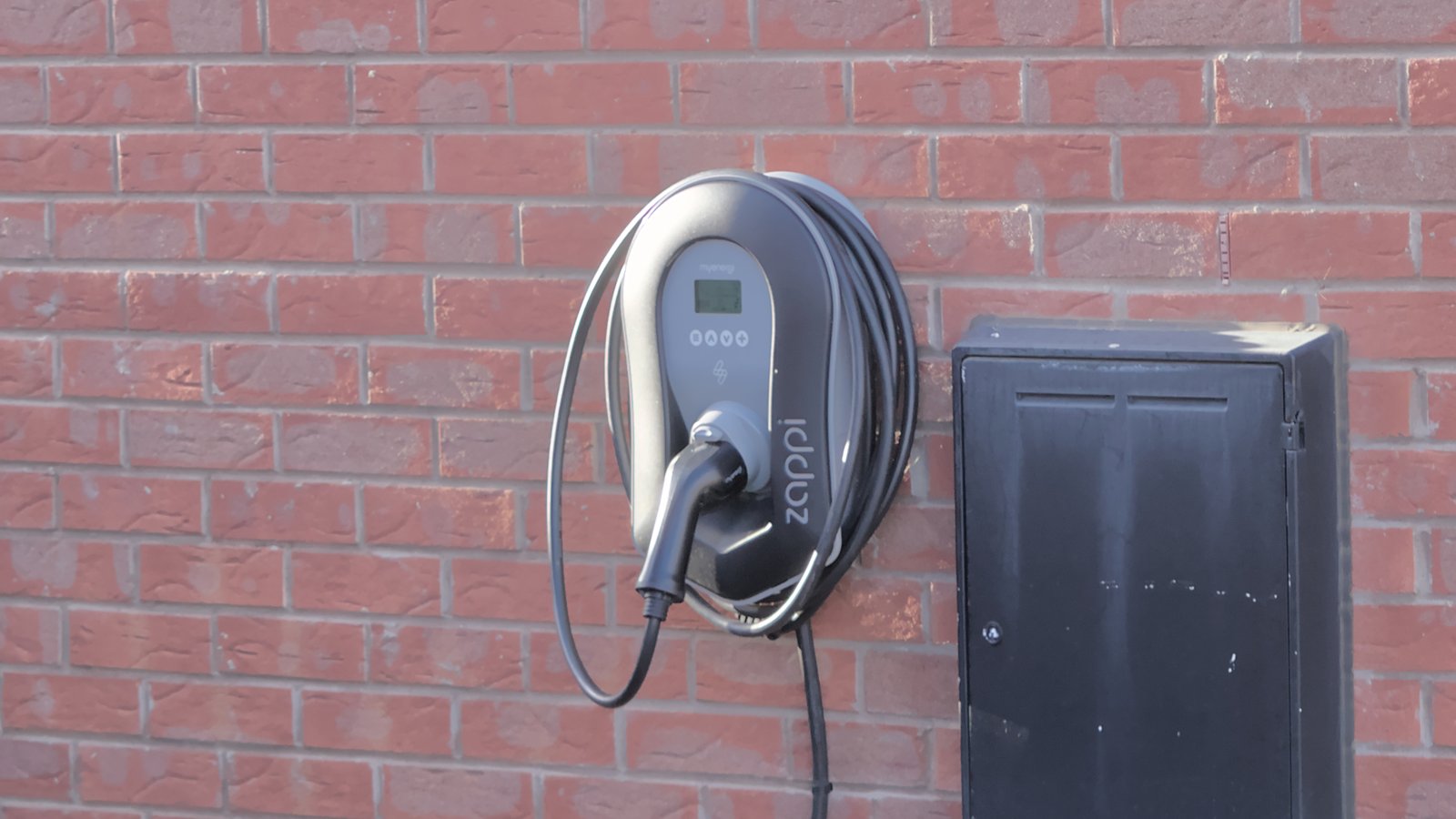
Quick answer: No, you do not need a home charger to own an electric car. The Energy Saving Trust says you can rely on public chargers, a 3-pin plug or shared home chargers instead. But if you have off-street parking, a home charger is usually the cheapest and most convenient way to charge, especially on an off-peak EV tariff.
Why most drivers with a driveway fit one
- Cost. Home electricity on an off-peak EV tariff can cost a fraction of public charging. Intelligent Octopus Go’s off-peak rate is 7.6p per kWh, against Zapmap’s September 2026 averages of 54p and 79p per kWh at public chargers.
- Speed. A typical home charger runs at about 7kW. The Energy Saving Trust estimates a 50kWh battery takes about 7 hours 45 minutes from 20% at 7.4kW, compared with 12 to 15 hours for a full charge from a low-power source such as a 3-pin plug.
- Smart features. Home chargers sold in Great Britain must be smart, so you can schedule charging for cheap hours. See smart charger rules.
- Tariff access. Some EV tariffs only work with a compatible charger or car.
- Safety. Electrical Safety First says a home charging point must be installed by a registered and competent electrician qualified to install them.
What it costs
Advertised prices for a charger with standard installation start at about £949 to £1,129 from the suppliers we checked in October 2026. Extra work, such as long cable runs or a consumer unit upgrade, costs more. Our home charger installation cost guide has the details.
Grants
There is no government chargepoint grant for homeowners living in a house with a driveway. OZEV grants, available until 31 March 2027, cover:
- renters and flat owners with private off-street parking: up to £500. See the renters and flats grant.
- households with only on-street parking: up to £500, with a cross-pavement solution. See the on-street charging grant.
- workplaces, landlords and state-funded education settings.
Use our grant checker to see what applies to you.
When you might not need one
- You drive little. A 3-pin plug may be enough for low mileage, if your wiring is suitable. See charging from a 3-pin plug.
- You can charge at work. Some employers offer workplace charging.
- There is a convenient public charger nearby, such as a lamp-post charger on your street or a supermarket you visit often.
- You can use a shared home charger. The Energy Saving Trust mentions services such as Co Charger and Zapmap, where people share their chargers.
If you have no off-street parking, see our full guide to charging without a driveway.
Weighing it up
| Home charger | No home charger | |
|---|---|---|
| Upfront cost | From about £949 installed | None |
| Typical cost per kWh | Off-peak tariffs from about 6.66p to 9.5p | Public averages 54p to 79p |
| Convenience | Charge overnight | Plan around public chargers |
| Speed | About 7kW | Varies, from 3-pin to ultra-rapid |
The off-peak rates are from EDF, Octopus, British Gas and E.ON Next on 19 October 2026. See EV tariffs compared and what home charging costs.
Questions to ask an installer
- Is my supply and consumer unit suitable, or will it need upgrading?
- How long will the cable run be, and is that within the standard installation?
- Will you notify my Distribution Network Operator? Electrical Safety First says the DNO must be told by law when a charger is connected, and the installer can usually do this.
- Is the charger compatible with the EV tariff I want?
- Do I need permission? E.ON Next says that if you live in a leasehold or rented property, you will need permission from your landlord or property management company.
Frequently asked questions
Can I fit a home charger myself?
No. Electrical Safety First says it must be installed by a registered and competent electrician, and your Distribution Network Operator must be told when it is connected.
Does the charger come with the car?
Usually not. Some cars come with a 3-pin cable or a Type 2 cable for public chargers. Check with the seller.
Is a tethered or untethered charger better?
It is personal preference. A tethered charger has a fixed cable; untethered means you use your own.
Related guides and tools
- Hubs: all our electric car guides and charging guides.
- Tools: the charging cost calculator, EV vs petrol cost comparison, eVED calculator and grant checker.
- Also read: How much does it cost to install a home EV charger in 2026? and How long does it take to charge an electric car? Times by charger.
Sources
- Next Drive tariff, E.ON Next
- Charging electric vehicles, Energy Saving Trust, updated 23 April 2026
- Electric vehicle chargepoint grants, GOV.UK
- Electric vehicles safety advice, Electrical Safety First
- Charging price index, Zapmap
- Intelligent Octopus Go, Octopus Energy
Last checked: 19 October 2026
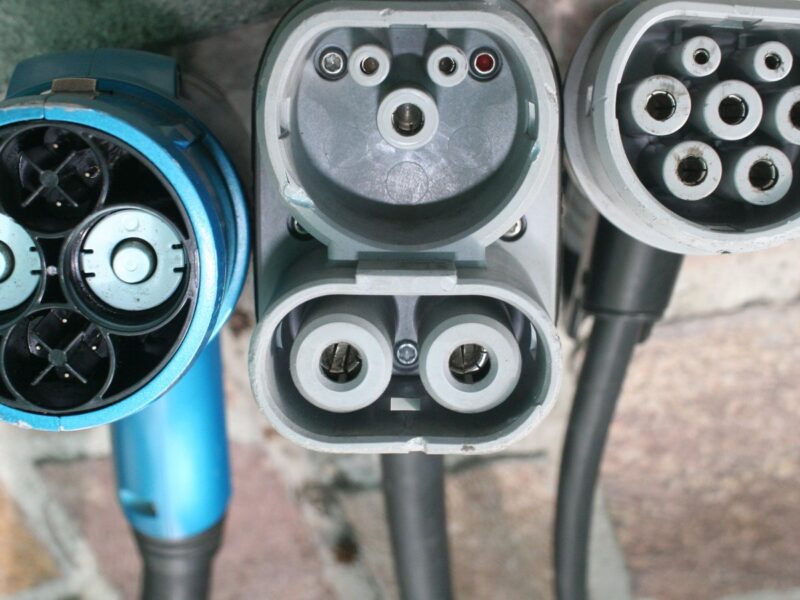
Image credit: Aethonatic via Wikimedia Commons, CC0, cropped.