Quick answer: Yes. Since 1 April 2025, electric cars pay vehicle tax. A new electric car registered from that date pays £10 for the first year, then the standard rate of £200 a year. Electric cars with a list price over £50,000 also pay an extra £440 a year for five years, making £640, from the second time they are taxed.
The rates for electric cars
These are GOV.UK’s vehicle tax rates, checked on 19 October 2026.
Cars registered on or after 1 April 2017
| Electric car | |
|---|---|
| First tax payment (zero emission, 0g/km) | £10 |
| Standard rate from the second payment, single 12-month payment | £200 |
| Standard rate, 12 monthly Direct Debit payments | £210 in total |
| With the extra charge for a list price over £50,000 | £640 a year for five years |
Cars registered between 1 March 2001 and 31 March 2017
These are taxed by CO2 emissions. Zero emission cars fall into band A, up to 100g/km, at £20 a year for a single payment, or £21 in total by 12 monthly Direct Debit payments.
The extra charge for expensive cars
GOV.UK says you pay an extra £440 a year if you have a car with a list price of more than £40,000, or an electric car with a list price of more than £50,000. You only pay it for five years, from the second time the vehicle is taxed.
Key points:
- The £50,000 threshold for electric cars also applies to electric vehicles registered between 1 April 2025 and 31 March 2026.
- You do not pay it if you have a zero emission vehicle registered before 1 April 2025.
- The list price is the published price before the car is first registered, before any discounts.
Options can push a car over the threshold, so check the full list price of the exact car. A car eligible for the Electric Car Grant must have a recommended retail price of £37,000 or less, so it will be well under the threshold.
When EVs started paying
Electric cars were exempt until 31 March 2025. GOV.UK’s exemptions page now says: “From 1 April 2025, if you have an electric car, van, motorcycle or tricycle, you’ll need to pay vehicle tax. Only heavy goods vehicles that weigh over 3,500kg will still be exempt.”
Coming in 2028: eVED
The government plans a separate pay-per-mile charge, Electric Vehicle Excise Duty (eVED), from 1 April 2028. Its policy paper sets the rate at 3p a mile for battery electric and hydrogen cars and 1.5p a mile for plug-in hybrids, paid alongside normal vehicle tax and uprated by inflation from 2029-30. The law is still in draft, and the Budget on 28 October 2026 may give more detail.
At 7,000 miles a year, 3p a mile would be £210 a year on top of vehicle tax, on our arithmetic. See the eVED explainer and the eVED calculator.
How it adds up
For a new electric car with a list price under £50,000, driven 7,000 miles a year:
| Year | Vehicle tax | eVED (from April 2028) |
|---|---|---|
| First year | £10 | Depends on date |
| Later years | £200 | £210 (at 3p a mile) |
This is our illustration, using GOV.UK rates and the planned eVED rate. It will change if rates rise.
Comparing running costs
Vehicle tax is only part of the cost. See are electric cars worth it and the EV vs petrol calculator.
Frequently asked questions
Do I pay the extra charge if I bought a used EV that cost over £50,000 new?
It depends on its registration date. It applies for five years from the second time the car is taxed, and does not apply to zero emission vehicles registered before 1 April 2025. Check the car on GOV.UK.
Do plug-in hybrids pay the same?
No. Plug-in hybrids are taxed on their CO2 emissions in the first year, and the £40,000 threshold applies to them. See GOV.UK for the bands.
Is road tax the same as eVED?
No. Vehicle tax is an annual charge; eVED is a planned extra charge per mile from April 2028.
Related guides and tools
- Hubs: all our electric car guides and charging guides.
- Tools: the charging cost calculator, EV vs petrol cost comparison, eVED calculator and grant checker.
- Also read: Are electric cars worth it? The costs, savings and catches in 2026 and eVED explained: what the 3p-a-mile EV tax will cost you from April 2028.
Sources
- Vehicle tax rates, GOV.UK
- Vehicles exempt from vehicle tax, GOV.UK
- Electric Vehicle Excise Duty policy paper, GOV.UK
- How to apply for vehicle eligibility for the Electric Car Grant, GOV.UK
Last checked: 19 October 2026
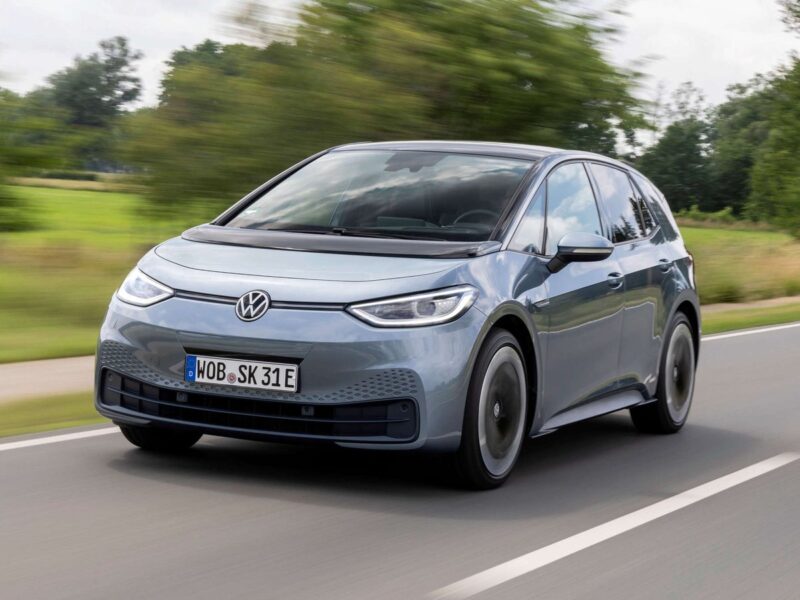
Image credit: Zweifel via Wikimedia Commons, CC BY-SA 3.0, cropped.