Quick answer: For most UK drivers who can charge at home, an electric car is worth it on running costs: home electricity on a smart EV tariff can cost under 3p a mile, against about 24p a mile on public rapid chargers. The case is weaker if you rely on rapid charging, drive very little, or cannot get a good price on the car. New EVs priced at £37,000 or less may also qualify for a government discount of up to £3,750.
“Worth it” means different things to different people. This guide looks at the money: what an electric car costs to buy, run and tax in the UK today, using official and published figures checked on 19 October 2026. It does not cover car finance or leasing.
Where the savings come from
The biggest difference is fuel. An electric car’s running cost depends on what you pay per kWh of electricity and how efficient the car is.
Octopus Energy uses a UK average of 0.301kWh per mile for EV consumption (last checked by Octopus in October 2026). Using that figure, here is what electricity costs per mile at today’s published prices. These are our sums, before charging losses:
| Where you charge | Price per kWh | Cost per mile |
|---|---|---|
| Home, Ofgem price cap average | 26.32p | about 7.9p |
| Home, Intelligent Octopus Go off-peak | 7.6p | about 2.3p |
| Public standard charger (Zapmap average) | 54p | about 16p |
| Public rapid or ultra-rapid (Zapmap average) | 79p | about 24p |
The price cap rate is Ofgem’s average for Direct Debit customers from 1 October to 31 December 2026. The public prices are Zapmap’s September 2026 Price Index; Zapmap’s own per-mile figures are 16p and 24p.
Zapmap says that in September 2026 a typical driver doing 20% of their charging on the public network could expect to save £1,130 a year in fuel compared with a petrol or diesel car, and that even drivers who rely entirely on public charging will often be better off. That is Zapmap’s modelling, based on its own driver profiles.
See our guides to charging at home and public charging prices, or try the charging cost calculator and the EV vs petrol tool.
What it costs to buy
New electric cars still tend to cost more up front than similar petrol cars, but the gap has narrowed. The government’s Electric Car Grant takes up to £3,750 (Band 1) or £1,500 (Band 2) off eligible new cars with a recommended retail price of £37,000 or less. The seller applies it, and only cars on the GOV.UK eligible list qualify.
There is no government grant for used electric cars. Used EVs can be much cheaper to buy, but check the battery first. Our used EV battery health guide and new or used EV guide explain what to look for.
Tax: no longer free, but still low for most
Electric cars have paid vehicle tax since 1 April 2025. GOV.UK lists:
- £10 for the first year for a zero emission car
- £200 a year from the second tax payment for cars registered on or after 1 April 2017
- an extra £440 a year for five years if the car’s list price was over £50,000 (the Expensive Car Supplement threshold for electric cars)
That standard rate is the same as for petrol and diesel cars registered since April 2017. From 1 April 2028, the government also plans a pay-per-mile charge called eVED: 3p a mile for electric cars. At 7,000 miles a year that would be £210, before any inflation rises. See our road tax guide, the eVED explainer and the eVED calculator.
Servicing and maintenance
Electric cars have no engine oil, spark plugs or exhaust, and regenerative braking takes some of the load off the brakes. The AA says EVs generally have lower maintenance costs for these reasons. They still need tyres, brakes, suspension and an MOT from three years old.
The catches
An electric car is a harder sell if:
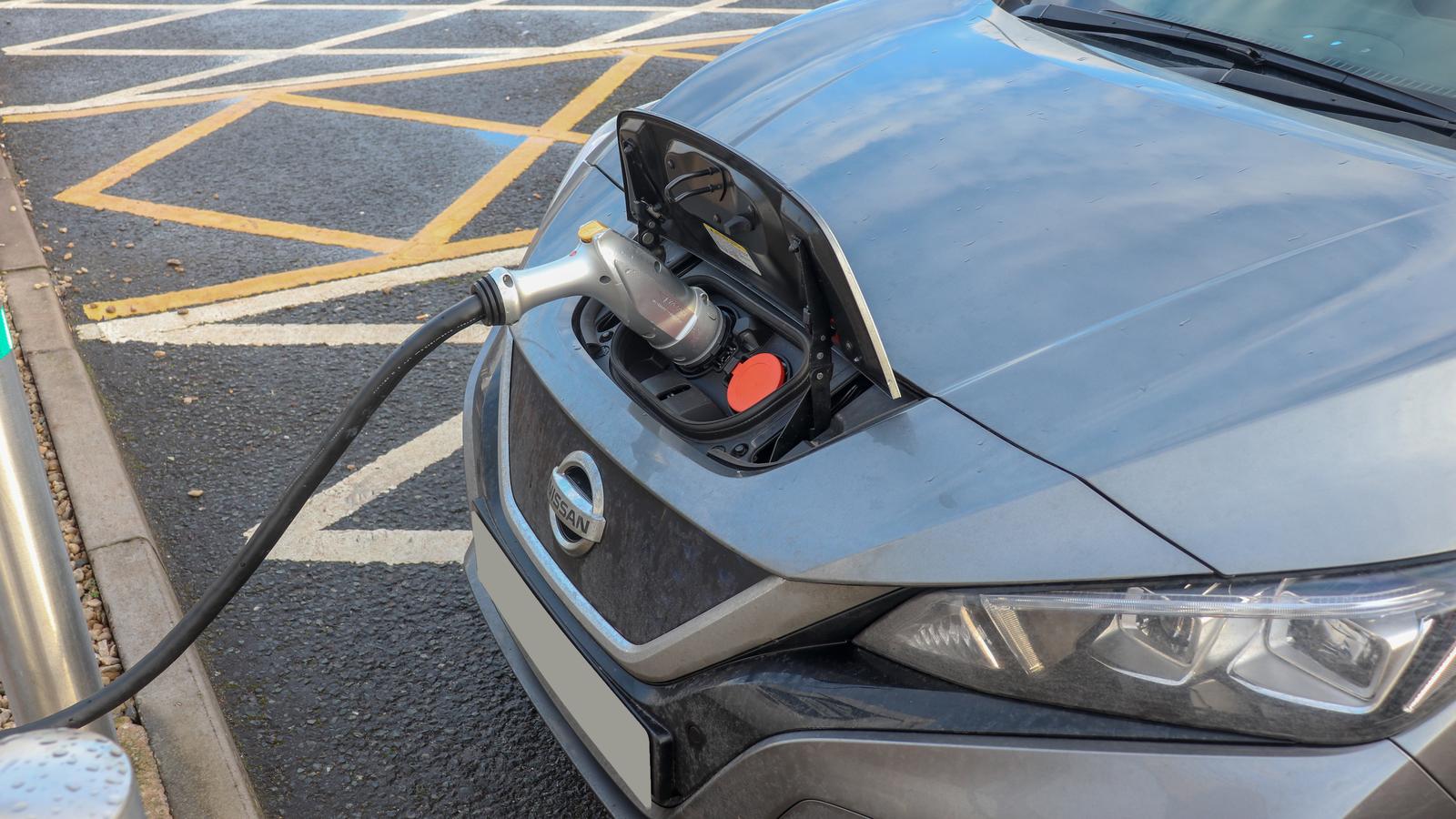
- You cannot charge at home or work and would rely on rapid chargers. At 79p per kWh, the per-mile cost is much closer to petrol. Our guide to charging without a driveway covers the alternatives.
- You drive very few miles. Fuel savings build up with mileage, so a low-mileage driver takes longer to recover a higher purchase price.
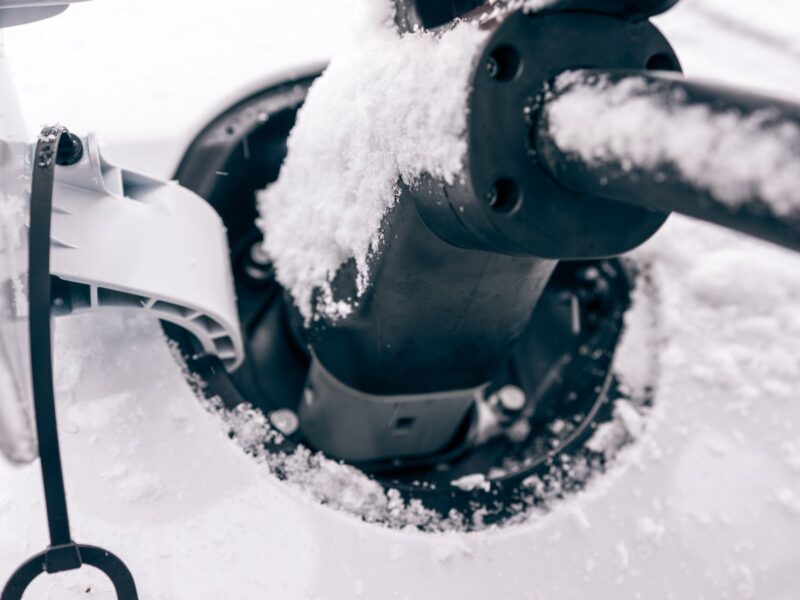
- You need a long range in winter. Range drops in cold weather. Norway’s 2026 El Prix winter test found an average shortfall of 38% against official figures in temperatures down to minus 32C. UK winters are milder, but plan for some loss. See our winter range guide.
- You need to tow heavy loads. Some EVs are not rated to tow at all, and towing cuts range.
- You need a home charger and do not qualify for a grant. Advertised prices start at about £949 including standard installation. See our installation cost guide.
How to decide
- Work out your mileage and where you would charge most of the time.
- Check your tariff options. A smart EV tariff can cut home charging costs sharply. See our EV tariffs comparison.
- Price the car you actually want, including whether it is on the Electric Car Grant list and whether its list price is above £50,000.
- Add tax, including eVED from 2028.
- Compare like for like with the petrol or hybrid you would otherwise buy.
Frequently asked questions
Do electric cars save money if I only use public chargers?
Sometimes. Zapmap says drivers wholly reliant on public charging will often be better off than drivers of a comparable petrol or diesel car, but the margin is smaller. Cheaper networks and off-peak deals help.
Do electric cars hold their value?
It varies a lot by model and age. We have not found an official, up-to-date source for UK EV depreciation, so we are not quoting figures.
Is it worth waiting for cheaper electric cars?
Prices and grants change, so there is no right answer. The Electric Car Grant runs until 31 March 2030, according to the Find a grant service, and the government says it can change the criteria during the scheme.
Related guides and tools
- Hubs: all our electric car guides and charging guides.
- Tools: the charging cost calculator, EV vs petrol cost comparison, eVED calculator and grant checker.
- Also read: Should I buy a new or used electric car? The pros, cons and checks and How much does it cost to charge an electric car at home?.
Sources
- Energy price cap unit rates and standing charges, Ofgem
- Zapmap Price Index, Zapmap, updated 7 October 2026
- Intelligent Octopus Go, Octopus Energy (rate and average consumption figure as published)
- Vehicle tax rates, GOV.UK
- Zero emission vehicles eligible for a grant: cars, GOV.UK
- Electric Car Grant, Find a grant
- Electric Vehicle Excise Duty (eVED), HM Treasury, 13 July 2026
- Electric vehicles: fact or fiction, The AA
- El Prix winter 2026 results, NAF press release, 28 January 2026 (in Norwegian)
Last checked: 19 October 2026
Image credit: Vauxford via Wikimedia Commons, CC BY-SA 4.0, cropped.