Quick answer: Buy new if you want the latest range and charging tech, a full manufacturer warranty and a possible Electric Car Grant discount of up to £3,750 on eligible cars priced at £37,000 or less. Buy used if a lower price matters most, but get the battery health checked and confirm how much battery warranty is left. There is no government grant for used electric cars.
Neither choice is right for everyone. This guide sets out the facts that make the difference, checked against official sources on 19 October 2026. It does not cover finance or leasing.
The case for new
- The Electric Car Grant. Eligible new cars get up to £3,750 (Band 1) or £1,500 (Band 2) off, applied by the seller. The car must be on the GOV.UK eligible list and have a recommended retail price of £37,000 or less. Our Electric Car Grant explainer covers the rules.
- Full warranties. Grant-eligible cars must come with at least a 3-year or 60,000-mile vehicle warranty and an 8-year or 100,000-mile battery warranty. The government’s applicant guidance says the battery must keep at least 80% of its capacity for the first 3 years and 70% for 8 years or 100,000 miles.
- Newer technology. Newer models often charge faster and go further on a charge than older ones.
The downside is price. Even with the grant, a new EV usually costs more than a used one.
The case for used
- A lower price. You avoid the steepest part of a new car’s loss in value.
- Batteries tend to age slowly. The Energy Saving Trust says there is usually roughly a 10% reduction in battery range after five years. Fleet data company Geotab’s 2025 analysis of over 22,700 EVs found an average loss of 2.3% of capacity a year. See how to check a used EV’s battery health.
- Lower running costs than a petrol car, if you can charge at home. See what it costs to charge at home.
The downsides are uncertainty about the battery, possibly less warranty, older charging tech and no grant.
Side by side
| New | Used | |
|---|---|---|
| Government grant | Up to £3,750 on eligible cars | None |
| Vehicle warranty | Full | What is left, if any |
| Battery warranty | At least 8 years or 100,000 miles on grant cars | What is left, if any; check it transfers |
| Battery condition | As new | Needs checking |
| Charging speed | Usually faster on newer models | Varies; some older cars use CHAdeMO |
| Vehicle tax | £10 first year, then standard rate | Standard rate; depends on registration date |
Vehicle tax differs by age
Since 1 April 2025, electric cars pay vehicle tax. GOV.UK lists £200 a year for cars registered from 1 April 2017, plus £440 a year for five years if an electric car’s list price was over £50,000. Electric cars registered between 1 March 2001 and 31 March 2017 are taxed in band A, at £20 a year. See our road tax guide.
From April 2028, eVED adds 3p a mile for electric cars, new or used. When you buy used, the government says any prepaid eVED mileage stays with the car. See the eVED explainer.
Checks before buying used
- Battery health. Ask for a state of health report from a recognised test. Our battery health guide explains the options.
- Battery warranty left. Check the start date, the mileage limit and the capacity level it guarantees.
- Charging kit. The Energy Saving Trust says to check which cables come with the car. You will need one with a Type 2 connector for most public chargers.
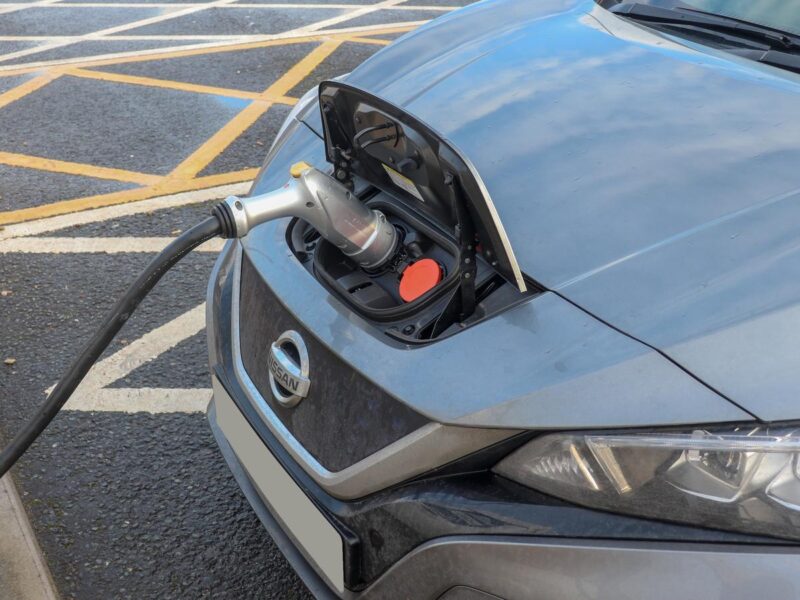
- Rapid charging connector. Some older models, notably older Nissan LEAFs, use CHAdeMO, which Zapmap says is found on fewer chargers.
- Test drive from a full charge so you can see the range for yourself, as the Energy Saving Trust suggests.
- MOT history. Electric cars need an MOT from three years old, like any car. Check the history on GOV.UK.
Frequently asked questions
Can I get the Electric Car Grant on a nearly new car?
No. It is for new cars, applied by the seller at the point of sale.
Is a used EV with 80% battery health a bad buy?
Not necessarily. It depends on whether the remaining range suits your driving and the price reflects it.
Will a used EV be expensive to insure?
Insurers set prices individually and we have not found official EV-specific premium data. Get quotes before you buy.
Related guides and tools
- Hubs: all our electric car guides and charging guides.
- Tools: the charging cost calculator, EV vs petrol cost comparison, eVED calculator and grant checker.
- Also read: Electric Car Grant explained: up to £3,750 off a new EV and Do electric cars pay road tax? VED rates for EVs explained.
Sources
- Zero emission vehicles eligible for a grant: cars, GOV.UK
- How to apply for vehicle eligibility for the Electric Car Grant, GOV.UK
- Buying a second hand electric car or van, Energy Saving Trust, updated 13 February 2025
- EV battery health: key findings from 22,700 vehicle data analysis, Geotab
- Vehicle tax rates, GOV.UK
- Connector types, Zapmap
- Getting an MOT, GOV.UK
Last checked: 19 October 2026
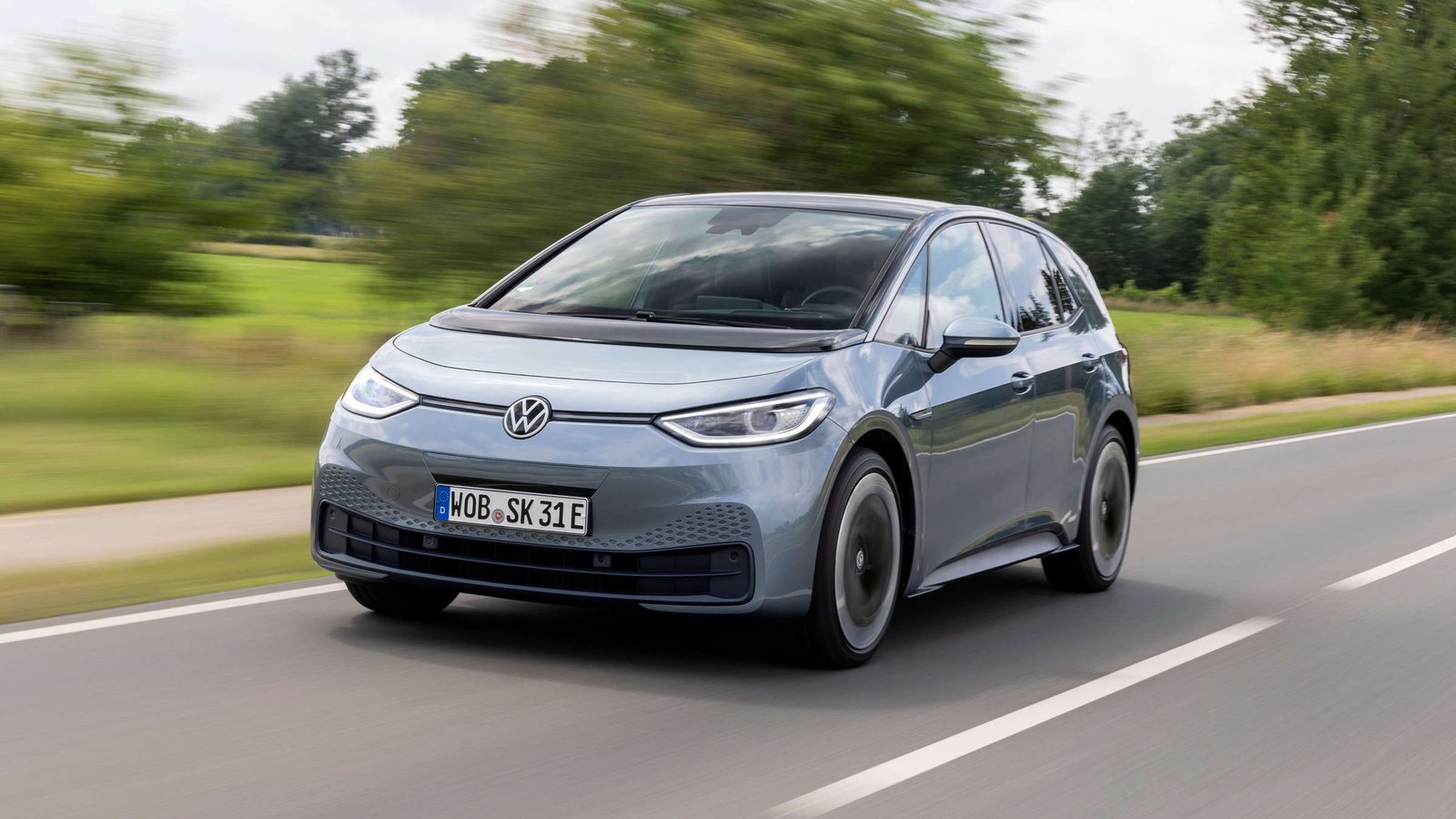
Image credit: Volkswagen AG press office.